
Comparison Brings Harm
English & Chinese Articles - AI Era
12/1/20253 min read
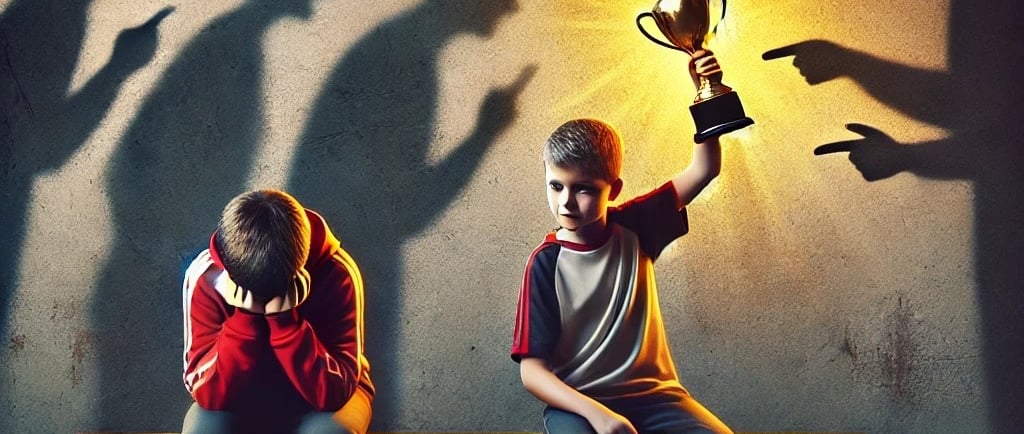
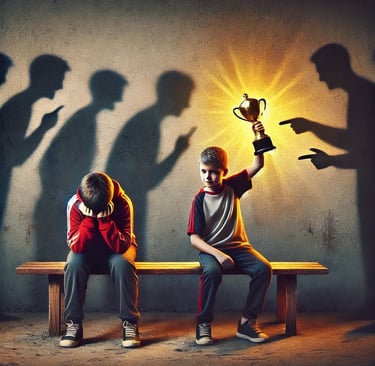
In this era of artificial intelligence (AI), technology is advancing rapidly, and AI influences many aspects of our lives. AI is not only applied in schools but has also permeated family life, even affecting parents’ expectations and educational approaches for their children. However, with the growing prevalence of AI, parents should avoid comparing their children to others, as doing so may increase stress and negative impacts, ultimately undermining their children's confidence and potential development.
1. Every Child is Unique
Whether in school or at home, we can observe that every child has different talents and interests. Some students excel in math, while others show a natural aptitude for art. With the emergence of AI technology, children's talents and interests may become even more diverse. AI can not only help us learn math and science but also assist in discovering creative talents, such as programming or music. Therefore, parents should not measure their child’s worth based solely on school grades or specific standards.
In the AI era, children can explore various learning resources through technology and find learning methods that suit them. For example, a child interested in programming may improve their skills through AI learning platforms, while another child interested in art might use AI-assisted tools to create more creative works. This kind of diverse development is one of the advantages of our time. Thus, parents should not only compare their children to top-performing classmates but instead encourage them to discover their own interests and potential, developing at their own pace.
2. Comparison Leads to Stress and Anxiety
When parents constantly compare their children to others, the children can feel immense pressure. Especially in today's information age, we can easily access others' lives and achievements through social media. These portrayals are often selective and do not fully reflect reality. As a result, children may feel inadequate, leading to anxiety. I have a younger brother and sister, and there’s only a one-year age difference between me and my brother, so we naturally compared ourselves often. However, my mother frequently reminded us that comparisons are meaningless. When we were young, she used a simple analogy to teach us not to compare. She said, “You are an orange, your brother is a pear, and your sister is an apple. You are all different, so there’s no need to compare. If you must compare, compare yourself with who you were yesterday—are you making progress?”
While AI has brought many conveniences to learning and life, it may unintentionally exacerbate this sense of anxiety. Now, AI tools can accurately analyze students' learning data, giving parents and teachers a clear view of which students are progressing fastest and which ones might be lagging behind in certain areas. However, this level of transparency can also trap parents in a comparison mindset, constantly comparing their children's learning progress with that of their peers. This pressure of continuous comparison can leave children feeling lost, even believing that no matter how hard they try, they will never meet their parents' expectations.
3. AI Supports Personalized Learning
In traditional education, schools often measure students' learning abilities based on uniform standards. But with AI, we now have more opportunities for personalized learning. AI can create tailored learning plans based on each student’s progress and characteristics, allowing children to learn at their own pace. For instance, if a child excels in math, AI can provide more challenging problems, while if they struggle with reading, AI can offer targeted assistance. Although elementary and secondary schools may not yet fully adopt these changes in their curricula, we hope to see more of this learning model in schools in the near future.
This personalized learning model is precisely the direction we should encourage children to explore. In this context, parents should focus more on their children’s individual progress rather than comparing them to other students. AI can act as a learning assistant for children, but every child's learning style and speed are different. Therefore, comparisons are not only meaningless but also limit the full expression of a child’s potential.
4. New Challenges and Opportunities in the AI Era
The AI era indeed brings new challenges, particularly in education. Technological advancements have made learning methods more diverse and competition more intense. However, this is also a time full of opportunities. We can use AI to expand our knowledge, discover our potential, and continue to grow.
Parents should recognize that success in this era is not solely defined by grades or rankings. Every child has their unique path, and AI offers unprecedented resources for exploration and self-realization. Instead of comparing their children to others, parents should encourage them to boldly pursue their dreams and, in this era of limitless possibilities, become the best version of themselves.
Chinese Article 7 (文章7) - 有比較有傷害
在這個人工智能(AI)世代,科技快速發展,人工智慧影響著我們生活的方方面面。AI不僅在學校中被應用,也滲透到我們的家庭生活,甚至影響父母對孩子的期望與教育方式。然而,隨著AI的普及,父母不應該將自己的孩子與他人比較,因為這樣做可能會帶來更多的壓力和負面影響,反而削弱了孩子的自信和潛能發展。
1.每個孩子都是獨一無二
無論是在學校還是在家庭中,我們都會發現每個孩子有著不同的才能和興趣。有的同學數學特別好,有的則在藝術上展現天賦。隨著AI技術的出現,孩子的才能和興趣可能會變得更加多元化。AI不僅能幫助我們學習數學和科學,還可以協助我們發掘創造力,編寫程式或音樂等方面的才能。因此,父母不應該僅僅根據學校的成績或某些特定的標準來衡量孩子的價值。
在AI世代,孩子們能夠通過科技探索不同的學習資源,找到適合自己的學習方式。比如,一個對編寫程式感興趣的孩子可能會通過AI學習平台來提升自己的技術,而另一個對藝術有興趣的孩子則可能使用AI輔助工具創作出更具創意的作品。這樣的多元發展是這個時代賦予我們的優勢。因此,父母不應該僅僅把孩子與成績優秀的同學相比,而是應該鼓勵他們發掘自己的興趣和潛能,並且以自己的步調去發展。
2. 比較會導致壓力和焦慮
當父母不斷將自己的孩子與他人比較時,孩子會感受到巨大的壓力。尤其在當今這個信息時代,我們隨時能通過社交媒體了解到其他人的生活和成就。這些信息常常是選擇性地展示,並不完全反映真實情況。孩子可能會因此感到自己不夠好,從而產生焦慮情緒。我有一個弟弟和一個妹妹,我跟弟弟只相差一年,很自然地,我和弟弟經常比較,但媽媽常常提醒我們比較是沒有意義的。在我們還小的時候,媽媽用一個很簡單的例子去提醒我們不用比較。媽媽說:「哥哥是橙,二哥哥是雪梨,妹妹是蘋果,你們三個是不一樣的,根本不需要比較。如果你真的想比較,你便跟自己比較,今天的你是否比昨天的你更有進步?」
AI技術的迅速發展雖然為我們的學習和生活帶來了許多便利,但也可能無意中加重了這種焦慮感。現在,AI工具可以精確地分析學生的學習數據,讓家長和老師清楚地看到哪些孩子學習進步最快,哪些孩子可能在某些領域存在落後。然而,這種透明度也可能使家長更容易陷入比較的陷阱,將孩子的學習進度與同齡人進行對比。這種不斷比較的壓力,會讓孩子感到無所適從,甚至覺得自己無論怎麼努力都無法達到父母的期望。
3. AI有助個性化學習
在傳統的教育模式下,學校往往會根據統一的標準來衡量學生的學習能力。但AI的出現,讓我們有了更多的個性化學習機會。AI能根據每個學生的學習進度和特點來制定專屬的學習計劃,讓孩子能夠按照自己的節奏學習。例如,如果一個孩子在數學方面表現出色,AI可以為他提供更具挑戰性的題目;而如果他在閱讀上遇到了困難,AI則可以提供針對性的幫助。雖然現在中小學校未必完全能在教育方針和教材上趕上變化, 但期望不久的將來我們也可以在中小學裏看到更多這種學習模式。
這樣的個性化學習模式,正是我們應該鼓勵孩子去探索的方向。在這個背景下,父母應該更多地關注孩子自身的進步,而不是將他們與其他同學進行比較。AI可以成為孩子們的學習助手,但每個孩子的學習方式和速度都是不同的,因此比較不僅沒有意義,還會限制孩子的潛能發揮。
4. AI時代的新挑戰與機遇
AI時代確實為我們帶來了許多新挑戰,特別是在教育領域。科技的發展讓學習的方式變得更加多樣化,也使得競爭變得更加激烈。然而,這同時也是一個充滿機遇的時代。我們可以利用AI來拓展知識,發現潛能,並且不斷成長。
父母應該意識到,這個時代的成功並不僅僅取決於成績或者名次。每個孩子都有屬於自己的獨特路徑,AI為我們提供了前所未有的資源去探索和實現自我。與其將孩子與其他人比較,父母更應該鼓勵我們勇敢地追求自己的夢想,並在這個充滿可能性的時代裡,做最好的自己。